


Paracetamol helps from what: mechanism of action and medical essence
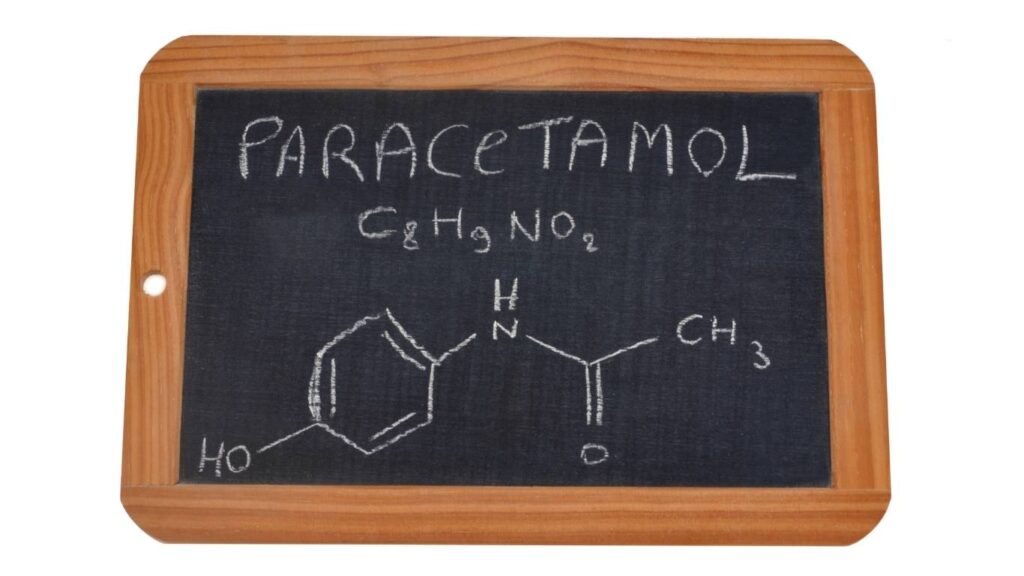
Paracetamol is one of the most common analgesic and antipyretic agents, which for decades has remained the first-line drug for pain syndrome and fever of various origins. It is part of hundreds of combined medicines and is universally used in both pediatric and adult practice. But what paracetamol really helps, and how safe it is – a question that should be answered in more detail.
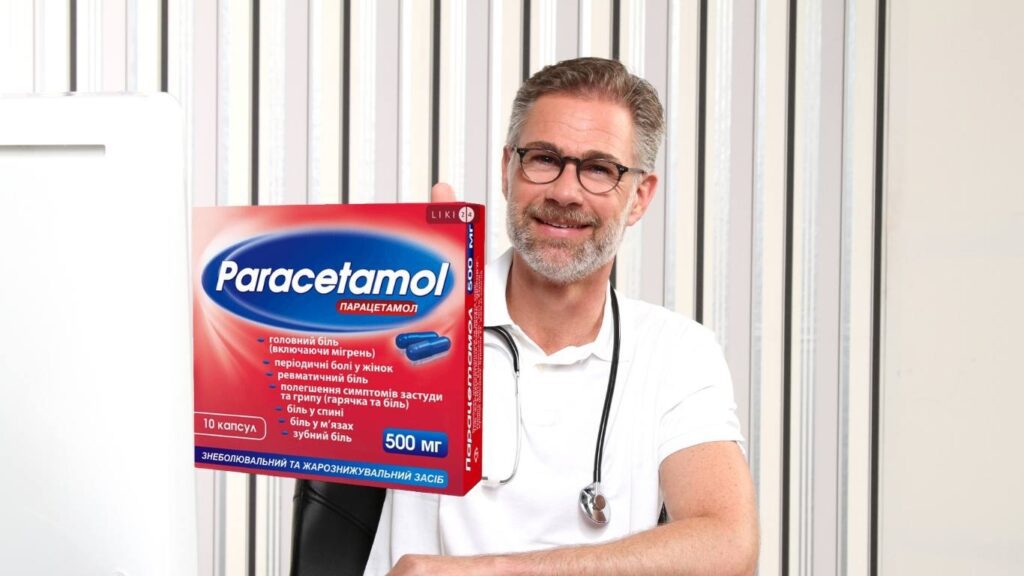
The pharmacological action of paracetamol is to inhibit the synthesis of prostaglandins in the central nervous system – these substances play a key role in the formation of pain and fever. The drug mainly affects the center of thermoregulation in the hypothalamus, contributing to a decrease in body temperature, and also has a moderate analgesic effect. At the same time, paracetamol has no pronounced anti-inflammatory effect – it does not eliminate the cause of inflammation, but only alleviates symptoms.
Its key advantages are fast onset of action, high safety in compliance with therapeutic doses, the possibility of use in children from an early age and the absence of irritating effects on the gastric mucosa. That is why paracetamol remains indispensable in the treatment of patients with gastritis, peptic ulcer disease, as well as in persons for whom non-steroidal anti-inflammatory drugs (NSAIDs) are contraindicated.
Paracetamol for what?
Well, remember one rule: paracetamol is for fever and pain. But not both.
Indications for use:
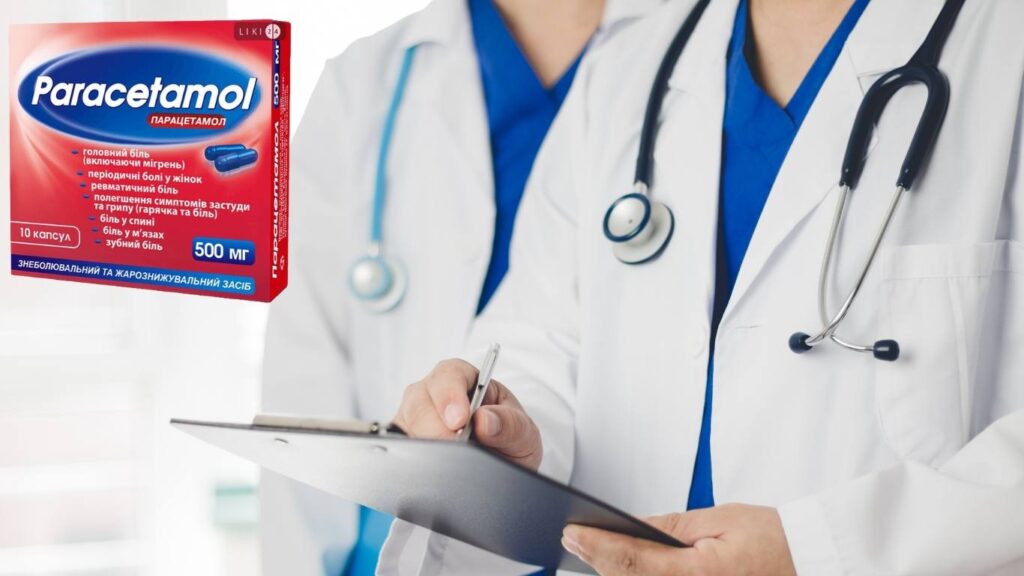
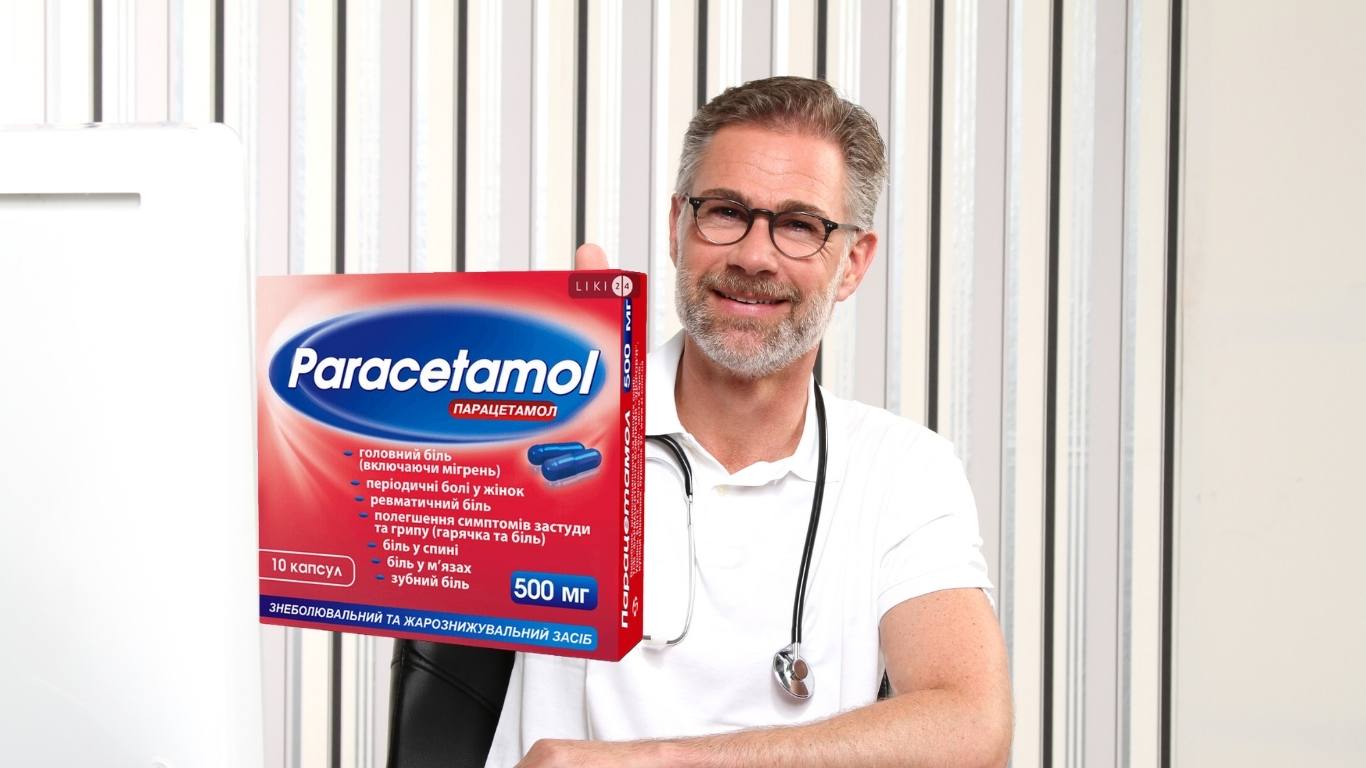
- headache (including migraine)
- periodic pain in women
- rheumatic pain
- relief of cold and flu symptoms (fever and pain)
- back pain
- muscle pain
- toothache
When he’s NOT helping:
- Doesn’t cure inflammation
- Doesn’t cure colds
- Does not replace antibiotics.
- Does not help if the cause of the pain is unclear
Paracetamol is more of a temporary relief. If you have a splitting headache and the temperature rises to 39 – it can really save you. But if the pain does not go away for several days – it is time not to go to the pharmacy, but to the doctor.
Forms of paracetamol release and their features
| 💊 Form | 👶 Suitable for | ⚖️ Dosages | 🔬 Features of the composition |
| 💊 Tablets and capsules | Adults and children from 6 years old | 200 mg, 325 mg, 500 mg | Paracetamol + povidone, starch, stearic acid |
| 🧴 Syrup | Children from 3 months old | By age: ½-4 tsp. | Paracetamol + flavoring, sugar, glycerin, purified water |
| 🍼 suspension | Infants from 1 month | 10–15 mg/kg body weight | Sugar free. Contains paracetamol, gum, flavorings |
| 🔥 Suppositories (suppositories) | Children from 3 months to 12 years old | 80 mg, 170 mg, 330 mg | Paracetamol + solid fat, suitable for vomiting or inability to drink |
*** Important: Always read the instructions and consult your doctor before use. The correct choice of form and dosage is the key to safe treatment.
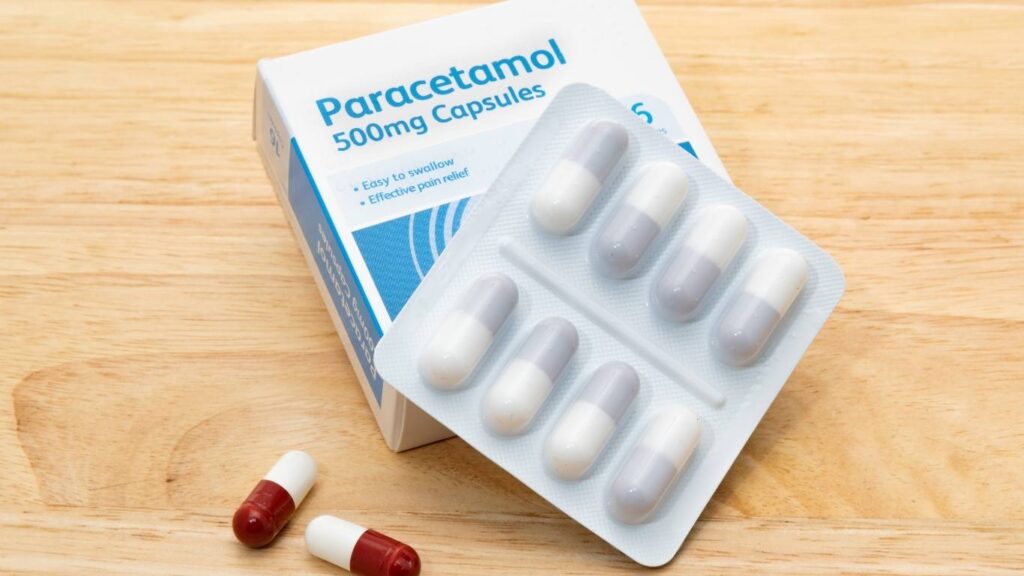
How to take paracetamol correctly
Here is more interesting. Because on packages they often write: “1 tablet every 4-6 hours”, and people think – the more often, the better. And then – poisoning, the liver “sits down” and nausea does not go away.
The rules are simple but important:
- adults can have 500 to 1000 mg at a time, not more than every 6 hours.
- maximum of 4000 mg per day, and that’s the limit. Anything more than that is toxic
- children – by weight, preferably in the form of syrup or suppositories. Not by eye, but according to the instructions
If you have a fever and you have taken paracetamol – give it time to work. There is no need to take another one an hour later if “nothing has changed”. The body does not react instantly.
And one more thing: if you drink “Coldrex”, “Fervex” or any other powder – check if there is no paracetamol already there. Because often it is there, and people unconsciously exceed the dose.
How long it takes for paracetamol to take effect
Many people think that it should work in 10 minutes. And if it doesn’t work, they need another pill. In fact, it takes about 30 to 45 minutes for it to take effect. And that’s fine. You don’t need to throw in another one “just in case”.
The effect lasts an average of 4-6 hours, after which it can be repeated – but again, within the daily dose.
Can I take paracetamol on an empty stomach?
You can, but it’s best not to. Theoretically, it does not irritate the stomach as much as ibuprofen or aspirin. But if you have gastritis, ulcer or just a sensitive stomach – it is better to drink it after a meal or at least snack on something light.
By the way, you should drink it with plain water. Not juice, not coffee, not alcohol – we will talk about the latter separately.
Side effects: not everything is safe
Because paracetamol is sold over-the-counter, many people think it’s completely safe. Unfortunately, this is not entirely true. In high doses or if taken regularly, it can seriously damage the liver.
The most common side effects include:
- nausea, abdominal discomfort
- skin rashes (allergies)
- liver dysfunction
- rare – anemia, hematopoiesis disorders
Paracetamol for colds, flu and covitis: when it really helps
Most often paracetamol is used precisely with colds. And this is logical – it relieves fever, removes body aches and pains and relieves headaches. But here it is important to understand: it does not treat the virus itself. That is, it is not about fighting the cause, but about temporary relief.
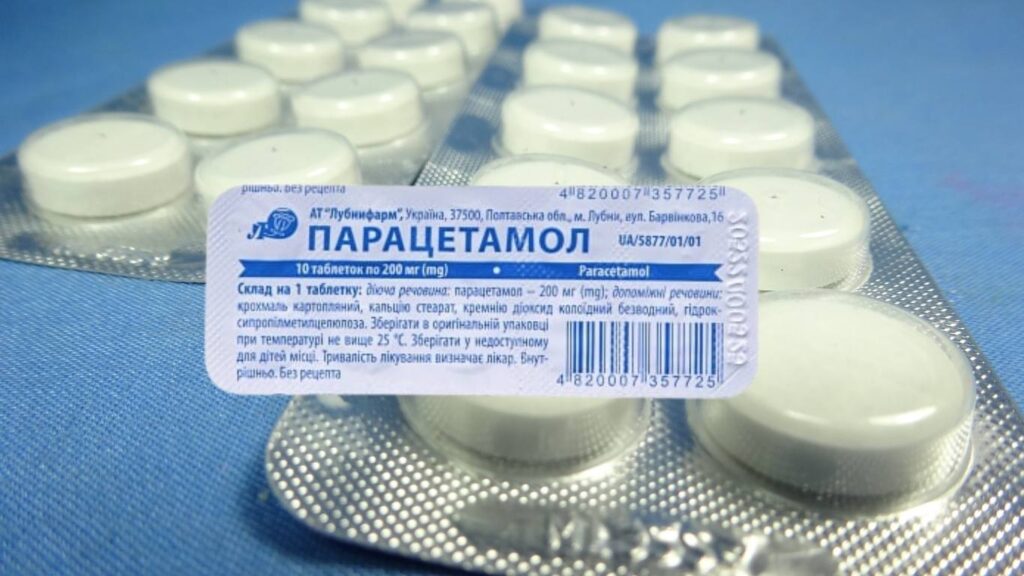
Paracetamol is also often prescribed for flu or covida – and it can play an important role here. When the temperature is above 38.5, when the whole body hurts, when it is difficult to sleep – then it really saves the day.
But you should not take it just in case, “just in case”, “in case the temperature rises”. You should take antipyretics only when the temperature is high and worsens the condition, not “a little 37.1”.
Paracetamol or ibuprofen: which is better?
Oh, it’s a perennial question. And the truth is, it depends on the situation.
Paracetamol is milder, safe for the stomach, reduces fever well. Ideal for children, pregnant women, people with gastritis or ulcers. But – it has almost no effect on inflammation.
Ibuprofen – stronger, has an anti-inflammatory effect. It is better for joint pain, sore throat, menstrual pain. But – can irritate the stomach, so it is not suitable for everyone.
There are cases when doctors advise alternating paracetamol and ibuprofen – especially in severe fever in children. But this should be done only according to the scheme and after consultation with a doctor.
Can be combined with other medicines
Yes, but very carefully. The problem is not that paracetamol conflicts with all medicines – it is quite “tolerant”. The problem is different: it is very often included in combination drugs, and people do not know about it.
For example, you took Coldrex. And there’s already paracetamol in it. And then one more tablet and you’ve overdosed. So:
- always read the ingredients
- do not combine several “hot powders”
- do not take paracetamol with alcohol
- If you take liver medicines, avoid them as well
Interaction of Paracetamol with other drugs
Paracetamol – one of the most commonly used antipyretics and analgesics, but even he has a list of undesirable combinations. Let’s understand with what it can be taken, and with what – categorically not worth it.
Paracetamol and Nimesil
Combining Paracetamol with Nimesil (and other NSAIDs) is dangerous for the liver. Both drugs are metabolized in the liver, and when taken together increases the load on the organ. This is especially important for people with chronic liver disease or after hepatitis. Possible right subcostal pain, nausea, general malaise and even the development of hepatotoxicity. Therefore, such combinations should be used with extreme caution and only when prescribed by a physician.
Paracetamol and Aspirin
Paracetamol and aspirin are not the best combination. Both drugs can irritate the stomach lining, especially when taken for long periods of time. This increases the risk of ulcers, erosions, and even gastrointestinal bleeding. Aspirin also affects blood clotting, and paracetamol enhances the effect of anticoagulants. This is dangerous, especially in cases of liver disease. If you need to take both drugs, it is better to do so at intervals and always with food.
Paracetamol and Analgin
The combination of paracetamol and analgin is used in emergency situations when it is necessary to quickly reduce fever, especially in children. Doctors sometimes use a so-called lytic mixture: Analgin + Aspirin + Paracetamol. However, Analgin can cause serious side effects, including agranulocytosis — a rare but dangerous blood disorder. This combination should not be used on a regular basis.
Paracetamol and Remantadine
Paracetamol and Remantadine are often used to treat influenza and acute respiratory viral infections. However, it is important to know that if they are taken at the same time, the concentration of Remantadine in the blood may decrease. This reduces its antiviral effect. It is best to take Remantadine first and then use the antipyretic 2–3 hours later.
Paracetamol and Arbidol
This combination is considered safe. Arbidol fights viruses, while paracetamol relieves fever and pain. Both drugs are often used together for colds and flu. No significant side effects have been reported when taken together.
Paracetamol and Amoxiclav
Amoxiclav is a broad-spectrum antibiotic. Doctors often prescribe it for bacterial infections. It is acceptable to take Paracetamol and Amoxiclav together: they do not enhance each other’s side effects or reduce their effectiveness. On the contrary, this combination can be useful for fever caused by infection.
Paracetamol and Amoxicillin
Amoxicillin is also well tolerated in combination with paracetamol. This combination is often used for tonsillitis, sinusitis, bronchitis, and other bacterial infections. Paracetamol relieves symptoms, while the antibiotic fights the cause of the disease.
Paracetamol and Azithromycin
Azithromycin is often prescribed for acute respiratory viral infections and complicated upper respiratory tract infections. Paracetamol can be used simultaneously if antipyretic or analgesic effects are required. No significant interactions between these two drugs have been observed.
Paracetamol and Ceftriaxone
Ceftriaxone is a potent antibiotic administered intramuscularly or intravenously. It can be taken together with paracetamol. The drugs do not interact, but it is important to remember that high temperature can be a side effect of the antibiotic, and in this case, antipyretics should only be taken after consulting a doctor.
Paracetamol and Mexidol
Mexidol enhances the effect of paracetamol, especially its analgesic effect. Both drugs can be used for neurological or stressful conditions, headaches, and migraines. However, you should not self-medicate: a specialist should select the treatment regimen.
Paracetamol and drugs that are harmful to the liver
Be careful when taking Paracetamol if you are also using:
- alcohol (even in small amounts),
- anti-tuberculosis drugs (rifampicin, isoniazid),
- antiepileptic drugs (carbamazepine, phenytoin, phenobarbital),
- sleeping pills.
These substances activate liver enzymes involved in the metabolism of paracetamol. This results in the formation of toxic metabolites that damage liver tissue. The result is a risk of developing hepatitis, fibrosis, and other serious consequences.
Paracetamol dosage for children
Paracetamol is often prescribed to children for high temperatures or pain of various origins. However, it is extremely important to follow the exact dosage — not only according to age, but also according to the child’s weight. The drug can only be safe and effective when used correctly.
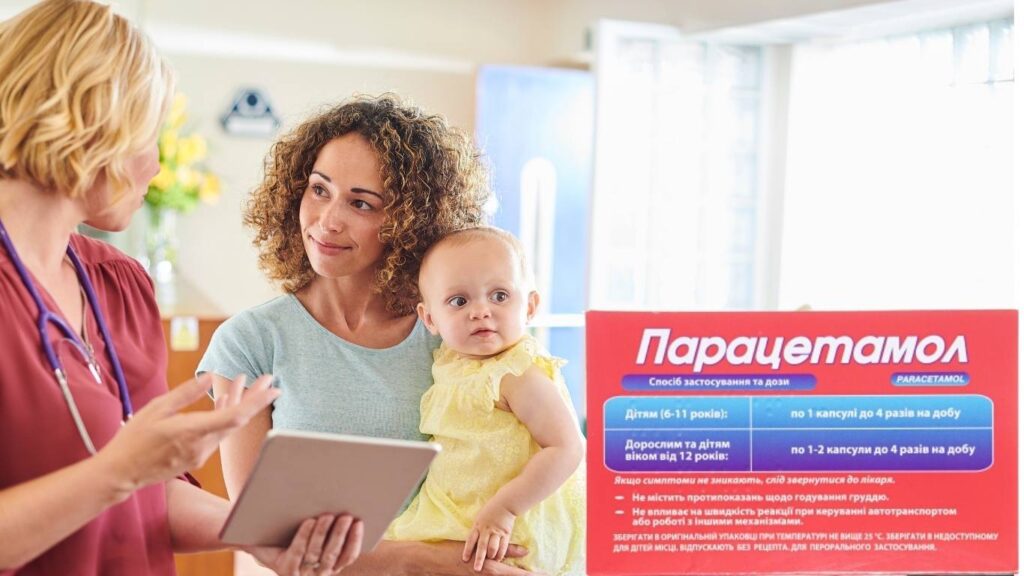
The dosage depends on the form of release. In pediatrics, suppositories, syrup, suspension, and tablets are used.
Suppositories (candles) are usually prescribed for babies, especially if the child refuses to take medicine by mouth or vomits frequently. Candles are available in the following dosages:
- 80 mg — from 3 months;
- 170 mg — from 12 months to 6 years;
- 330 mg — from 6 to 12 years old.
They are administered rectally, observing an interval of at least 4 hours. Maximum — 3–4 times a day.
Syrup and suspension are suitable for children aged 3 months to 12 years. Syrup usually comes with a measuring spoon or syringe. The dosage is determined based on age and body weight. As a guideline:
- from 3 to 12 months — 2.5 ml per dose;
- from 1 to 5 years old — from 5 to 10 ml;
- from 6 to 12 years old — up to 20 ml.
The suspension can be used even from 1 month of age, especially if it does not contain sugar. Be sure to shake the bottle before use.
The tablets are used in children over 6 years of age. If it is a children’s form — with a dosage of 200 mg, half a tablet is given to children from two years of age. The full dose is given from six years of age. Tablets with a dosage of 325 mg and 500 mg are prescribed to adolescents over 10–12 years of age.
A single dose of paracetamol for a child should be between 10 and 15 mg per kilogram of body weight. The daily dose should not exceed 60 mg per kilogram. There should be at least 4–6 hours between doses. A maximum of 4 doses per day.
If the temperature does not drop after three days, or if other alarming symptoms appear, you should consult a doctor immediately. Also, do not give paracetamol at the same time as other medicines containing the same active ingredient, as this may lead to an overdose.
When taken in the correct dosage, paracetamol is a reliable remedy for colds, acute respiratory viral infections, and pain in children. However, self-medication in pediatrics always carries risks. It is best to consult a doctor before use, especially for children under one year of age.
Contraindications: who should not take paracetamol
Paracetamol is considered relatively safe, but that does not mean that it is suitable for everyone.
It should not be taken:
- people with severe liver disease
- if you are allergic to paracetamol itself
- in case of overdose with other drugs
- those who abuse alcohol (even periodically)
By the way, if you regularly take medication—for example, for blood pressure or cardiovascular conditions—consult your doctor before taking paracetamol.
Does paracetamol affect the liver—is this true or exaggerated?
This is no exaggeration. Paracetamol is indeed considered hepatotoxic, meaning it can damage the liver. However, this mainly occurs in cases of overdose.
Just so you know: in the US, paracetamol is one of the most common causes of acute liver failure. And most often, it’s because of uncontrolled use or mixing it with alcohol.
So yes, paracetamol is safe, but only if you don’t exceed the dosage.
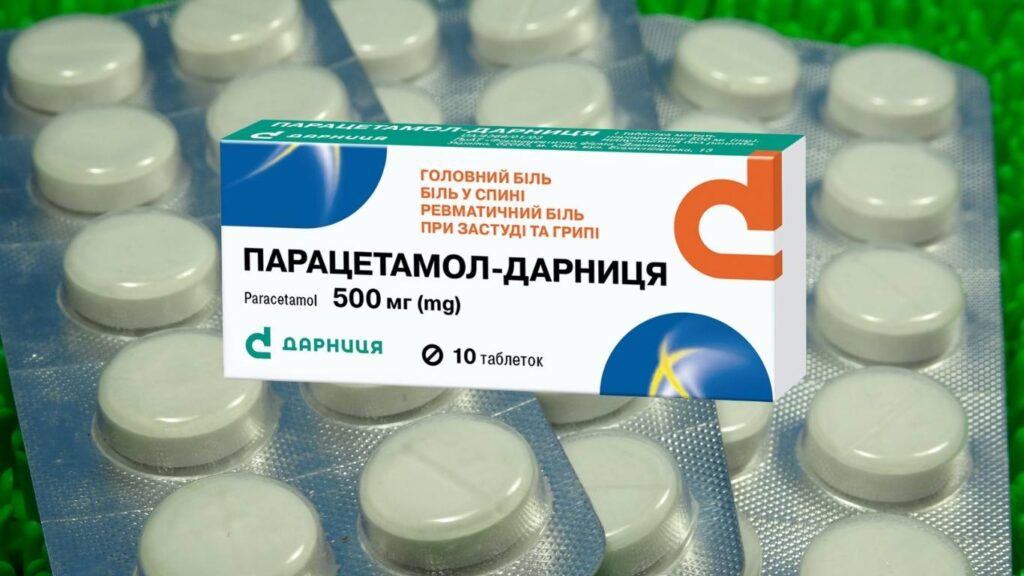
Conclusion: when medicine is your ally, and when it is a potential threat
Paracetamol is a convenient, proven, effective medication. But it is not universal. It is not a cure-all. And it is definitely not a “just in case” medication.
It should be taken when:
- there is a temperature that interferes with functioning
- headache, but without obvious inflammation
- It is necessary to relieve mild to moderate pain.
It should not be drunk:
- every few hours without necessity
- for prevention
- with alcohol
- “because something incomprehensible hurts”
Coolaser Clinic reminds you: be careful, always read the instructions. And remember: even the simplest medications can cause harm if basic rules are ignored.




 Loading...