


What are chia seeds
Chia seeds are tiny grains of the Salvia hispanica plant, which at first glance may not seem like a big deal. But don’t underestimate them. These babies are literally packed with nutrients and have become a real discovery in the world of healthy eating.
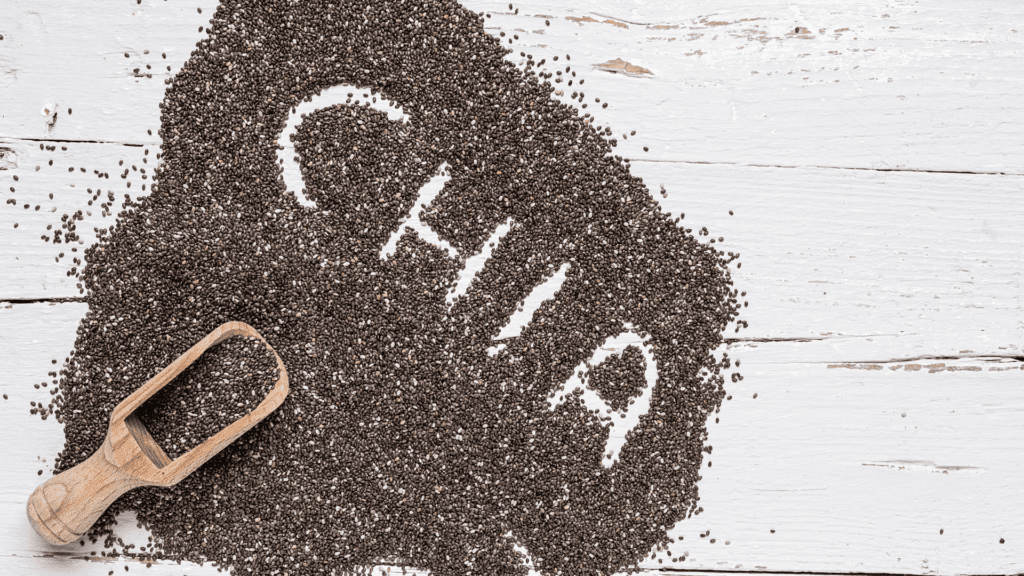
Every year, interest in them grows. People add chia to their morning breakfasts, drink it with water on an empty stomach, make puddings, smoothies and even use it in cosmetics. Why the hype? It’s simple – they really work. In this article we will deal with information about chia seeds: how to take, what are their benefits, and what recipes with them are worth trying. And we will also tell you where to buy chia in Kiev, what reviews people leave, and how to get the most out of these seeds.
History of origin and popularity
The history of chia goes back thousands of years. These seeds were an integral part of the diet of the ancient Aztecs and Mayans. They were used not only for food, but also for ritual purposes. The Mayan word “chia” means “strength” – and it is true, because even a small portion of seeds could give warriors energy for long hours of travel.
Today, chia are experiencing a second birth. Thanks to the fashion for superfoods and attention to healthy eating, they have started to appear on store shelves all over the world – from Los Angeles to Kiev. People are beginning to appreciate simple but effective products, and chia seeds fit perfectly into this trend. They are versatile, affordable, and can really improve wellness.
Benefits of chia seeds for the body
Chia seeds can rightly be called one of the most balanced natural products. They contain omega-3 fatty acids, which are essential for brain and cardiovascular function. Unlike fish, these fatty acids in chia are plant-based, so they are great for vegetarians and vegans alike.
Chia are also high in vegetable protein, making them a valuable addition to the diet of athletes and weight-conscious individuals. The fiber in the composition helps with digestion, and antioxidants protect cells from aging and inflammation. When consumed regularly, chia seeds can even lower cholesterol and improve intestinal function.
Not to be overlooked, they give a feeling of satiety and regulate blood sugar levels. All this makes chia a real boon for those who want not only to eat right, but also to improve their overall health without pills and supplements.
Chia seeds for weight loss: how it works
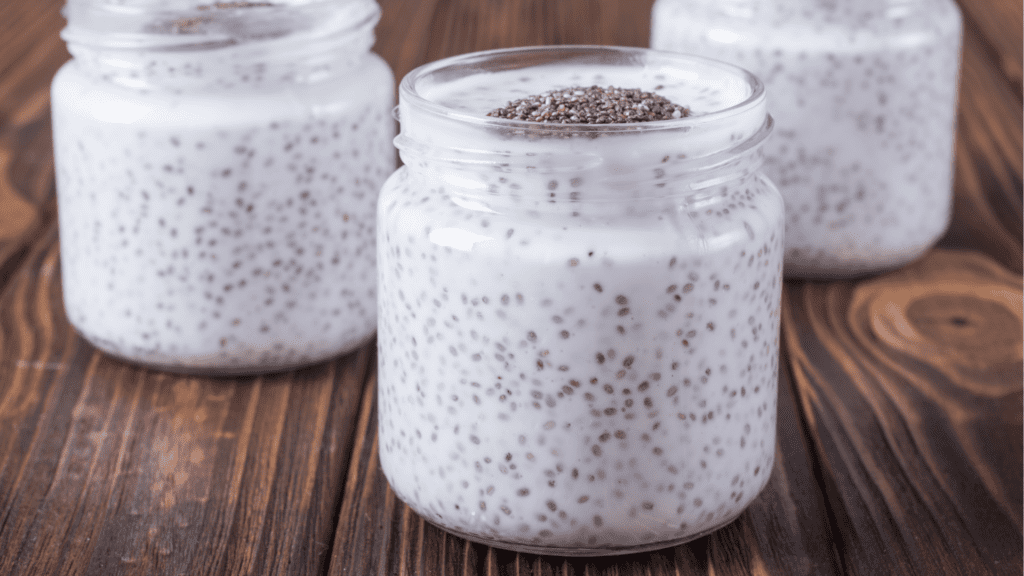
Chia seeds are often talked about in the context of weight loss – and for good reason. When you soak them in liquid, they increase in volume about 10 times, turning into a jelly-like mass. Once in the stomach, this gel takes up space and makes you feel full, so you eat less.
But that’s not all. Chia are slowly digested, do not cause blood sugar spikes and do not provoke a feeling of hunger an hour after eating, as it happens with fast carbohydrates. They also help normalize bowel function, which is especially important if you are overweight.
However, it is worth remembering that chia seeds are not a magic wand. They work well in combination with physical activity, a balanced diet and enough water. Adding chia to your morning yogurt or making a smoothie is a step towards improving your eating habits.
How to take chia seeds: daily allowance
Many people start taking chia and wonder: how much is possible per day? The answer is 10-20 grams, which corresponds to 1-2 tablespoons. This is enough to get all the beneficial properties without overloading the digestion.
It is ideal to start with a small amount, especially if you have never tried chia before. The best way is to soak the seeds in water or milk for at least 15-20 minutes. This way they form a gel and are easier to digest. You can add them to yogurt, porridge, smoothies or even baked goods.
Some people prefer to drink chia with water on an empty stomach in the morning – this detox drink helps to jump-start digestion and gives you lightness for the whole day. And if you drink chia half an hour before a meal, they will help you get full faster and avoid overeating.
How to cook chia seeds: simple steps
Cooking chia is literally a matter of a couple of minutes. To get a soft texture, you just need to soak the seeds in liquid. One tablespoon of chia seeds is usually 100-120 ml of water, milk or juice. After 15-20 minutes, the seeds swell, forming a characteristic gel-like mass.
This gel can be used as an independent snack or as a base for other dishes – puddings, smoothies, porridge. If you don’t want to wait, you can leave the chia soak overnight in the refrigerator – in the morning you will already have a ready breakfast waiting for you.
You can also use them dry – sprinkle them on salads, soups or sandwiches. But remember: dry chia can draw moisture out of the body, so be sure to drink plenty of liquid. It’s best to give them time to swell – it’s not only healthier, it’s safer.
Best recipes with chia seeds
Chia seeds are surprisingly easy to incorporate into everyday cooking. They are almost flavorless, so they can easily be combined with both sweet and salty dishes. Especially loved chia in the form of puddings and smoothies – it is not only useful, but also really delicious. Even children, who are usually capricious with “healthy food”, enjoy eating colorful and delicate chia-based desserts.
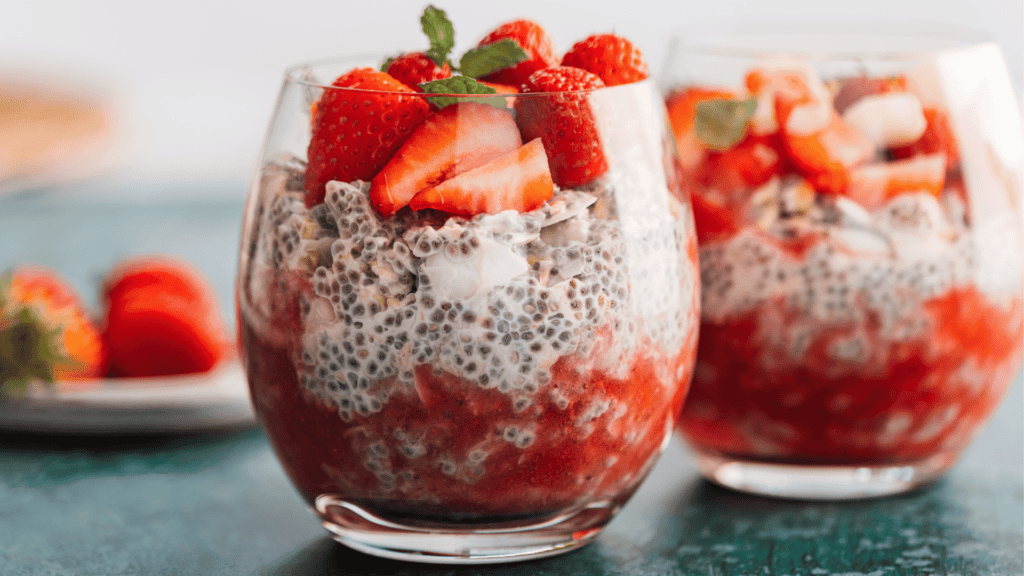
For example, you can make chia pudding on almond milk with honey and berries – just mix all the ingredients in the evening and leave in the refrigerator. In the morning you will have a delicious, healthy and beautiful breakfast waiting for you. If you want something refreshing, make a smoothie with banana, strawberries and a spoonful of chia. This drink is perfect after a workout or as a light snack on a hot day.
You can also add chia seeds to yogurt, porridge, salad or even homemade baked goods. The main thing is not to be afraid to experiment. Chia is almost impossible to spoil the dish, but it will add more than enough benefits.
Chia seeds with yogurt, kefir and juices
If you want an easy and delicious way to start your day, try mixing chia seeds with yogurt or kefir. This is one of the easiest and quickest ways to incorporate the seeds into your diet. Just add one spoonful of chia seeds to a glass of yogurt, stir and let stand for at least 10-15 minutes. The seeds will swell and you will get a creamy texture with a slight nutty note.
Chia does well not only in fermented milk products, but also in juices. For example, the popular drink chia + lemon + water has become a real hit on social networks. It refreshes, quenches thirst and helps control appetite. You can take this drink with you to work or to the gym and it will be a healthy alternative to sugary sodas and energy drinks.
Chia pudding recipe: a breakfast that Instagram loves
Food bloggers adore chia pudding not only for its benefits, but also for its appearance – you can make a real work of art out of it. But at the heart of this dish is its amazing simplicity. All you need is:
- 2 tbsp chia seeds
- 200 ml of plant milk (e.g. coconut milk)
- a little honey or maple syrup
- fresh berries, nuts, granola – to decorate
.
Mix everything in a jar, close the lid and leave in the refrigerator overnight. In the morning you can add fruit and nuts. This breakfast is like dessert, but without the sugar and guilt. It’s hearty, healthy and very photogenic. By the way, kids love it too!
Chia smoothies: benefits and how to make them
Chia smoothies are the perfect way to recover from a workout or perk up during the day. They are satiating, energizing and a great thirst quencher. Unlike regular smoothies, chia gives the drink a special texture and makes it more nutritious.
Making this smoothie is simple. Take a ripe banana, a handful of frozen berries, a glass of almond or oat milk and a tablespoon of chia seeds. Whisk it all up in a blender and let it infuse for a while to allow the chia seeds to open up. Such a drink is especially good in summer or after physical exertion – it is not only tasty, but also revitalizes.
Chia in salads, soups and baked goods
Chia seeds are often used in sweet dishes, but they are also great in salty dishes. For example, they can be sprinkled on salads instead of sesame seeds for an interesting texture and added fiber. In soups, chia can play the role of a natural thickener. Just add them to a hot dish after cooking and let them stand.
Chia seeds are also actively used in baking. They can be added to bread, muffins, pancakes. In this case, chia not only enrich baked goods with healthy fats and protein, but also help to preserve the softness and freshness of the product. Hostesses will appreciate it!
Can chia seeds be added to hot dishes?
Yes, but with reservations. High temperatures can destroy some of the beneficial substances, especially fatty acids. Therefore, it is better to add chia to already cooked food or use it for baking at a temperature not exceeding 180°C.
For example, you can sprinkle chia on hot porridge or soup as soon as you take it off the stove. Or you can add the seeds to bread dough, where the temperature is distributed more gently. The main thing to remember is that chia seeds retain their properties best with mild or no heat treatment.
When is the best time to eat chia seeds – in the morning or in the evening?
Most often, chia is eaten in the morning – as part of breakfasts or smoothies. It is convenient, quick and helps to energize for the day. Breakfast with chia gives satiety for a long time and helps not to snack on unhealthy snacks before lunch.
But you can eat chia in the evening too – especially if you want to have a little snack before going to bed, but without feeling heavy. A light pudding or drink with chia will satisfy your hunger without overloading your stomach. The main thing is not to overdo it, especially if you are just starting to include them in your diet.
📊 Table: What’s in 1 tablespoon of chia seeds
| 🌾 Component | 📌 Quantity | ⚡ Benefits for the body |
| 🔋 Calories | 58 kcal | Energy without sugar spikes |
| 💧 Fiber | 4,1 g | Improves digestion, cleanses the intestines |
| 💪 Protein | 2 g | Supports muscles, saturates |
| 🧠 Omega-3 | 2,5 g | Improves brain function and heart function |
| 🧂 Calcium | 76 mg | Bones, teeth, nervous system |
| 🔬 Antioxidants | — | Protect cells from aging and inflammation |
These figures are approximate and may vary slightly depending on the manufacturer.
Chia seeds in pregnancy and breastfeeding
The period of pregnancy and breastfeeding requires special attention to nutrition. It is important for women to get the maximum benefit from food without overloading the body. In this sense, chia seeds can be a great addition to the diet: they are rich in calcium, omega-3, fiber and protein – everything that is so necessary for future mothers and babies.
However, before introducing chia into your diet, it is advisable to consult your doctor. Especially if you have not consumed these seeds before. You should start with small portions – for example, half a teaspoon in yogurt or kefir to see how your body reacts. Given the high concentration of fiber, too much can cause bloating or abdominal discomfort.
During lactation, chia can also be beneficial: they help stabilize sugar levels, promote satiety and keep you energized, especially if you don’t get enough sleep. The key is to listen to yourself and your baby. If everything is fine, you can continue calmly.
Contraindications and possible harm
Despite all the benefits, chia seeds are not suitable for everyone. They are considered safe for most people, but there are situations where you should be careful with them. For example, if you are allergic to seeds or nuts, it’s best to try a minimal dose first and see how your body reacts.
Chia can also enhance the effects of blood thinning medications. This is due to the high omega-3 content, which affect clotting. If you are taking anticoagulants – be sure to discuss this with your doctor.
Another consideration is if you have or are prone to cholelithiasis. Large amounts of fiber can stimulate the digestive system, and in some cases this may be undesirable.
Finally, do not give chia to children under the age of three without consulting a pediatrician. Their digestive system is not yet fully formed, and it is better to introduce such products cautiously and gradually.
Chia seeds in medicine and nutritionology
Today, chia seeds are actively studied in both medical and nutritional practice. Many nutritionists consider them one of the best plant-based foods for supporting metabolism, normalizing blood sugar levels and improving gut flora.
Some studies show that regular consumption of chia can lower cholesterol and have a mild anti-inflammatory effect. This is especially important for people with heart disease or an increased risk of type 2 diabetes. Because of their fiber content, seeds also help carbohydrates digest more slowly, which prevents glucose spikes after a meal.
There is an opinion among experts that chia should be included in the diet even in the prevention of age-related changes – also due to antioxidants that fight free radicals. This makes the seeds a universal component in the system of health-improving nutrition.
Reviews of doctors about chia seeds
Many doctors and nutritionists have positive things to say about chia, especially when it comes to supplementing a balanced diet. The seeds are not a cure, but they can keep you healthy if you eat a varied diet and watch your lifestyle.
Dr. Anna Plakhotnyuk, family physician (Kiev):
“I recommend chia seeds as a source of fiber and omega-3 for patients with GI problems and high cholesterol. The key is not to overdo it and always wash it down with enough water.”
Nutritionist Victoria Sokolova:
“Chia is an easy way to enrich the diet without complicated schemes. They are especially useful for vegetarians, as they replenish the deficiency of fatty acids”.
Such reviews reinforce confidence, especially if you’re just planning to try chia for the first time.
Reviews of buyers and users: real experience
What do ordinary people say? Reviews about chia seeds on the internet are mostly positive. People note improved digestion, reduced appetite and a general feeling of vigor after including chia in the diet.
Olga, 38:
“I started adding chia to my yogurt in the morning and I don’t want buns anymore. I feel lighter, my skin has improved and my constant snacking has disappeared.
Eugene, 29:
“I go to the gym, and chia smoothies have become my favorite post-workout option. No heaviness, but a sea of energy.”
Marina, 51 years old:
“I tried chia skeptically, but got involved. I especially liked the recipe with strawberries and coconut milk. It’s both delicious and beautiful.”
These stories are the best proof that chia really does find its place in everyday life.
Where to buy chia seeds in Kiev and Ukraine
It is not difficult to find chia seeds in Kiev today. They can be purchased in almost every supermarket, pharmacy or health food store. It is especially convenient to order from online stores, where there are often promotions and fast delivery.
Here are some popular places to buy quality chia seeds:
- Eco-stores (e.g. Zdorovo or Natur Boutique)
- Supermarkets: Silpo, Novus, Auchan
- Online markets: Rozetka, Prom.ua, Epicentr
- Specialized online stores of dietary supplements and superfoods
When buying, pay attention to the expiration date, tightness of packaging and country of origin. The best chia comes from South America, particularly Peru and Paraguay.
How to choose quality chia seeds
When you stand at the counter and there are several different packages of chia seeds in front of you, what should you look for? Externally, quality seeds look like small, smooth and shiny balls, the color can vary from black to whitish. The main thing is that there are no traces of dust, glued lumps and extraneous odor.
Be sure to check:
- Packaging – it should be airtight and free of damage
- Manufacturer – reliable brands usually give more information
- Shelf life – chia can last up to 2 years, but it is better to take fresh
And don’t forget: chia are practically flavorless, so they are easily combined with any products. That’s why they are valued in cooking.
Chia seeds in capsules and powder: alternative or not?
In addition to the usual whole seeds, chia in the form of capsules and powder can be found on sale. Such forms are convenient for those who do not like to cook or are constantly on the move. Capsules are easier to dose, and the powder can be easily stirred into drinks.
But they also have disadvantages. For example, capsules don’t give the same satiating effect as soaked seeds. Plus, they lack the texture that makes chia dishes so interesting. And while powder is healthy, it can lose some of its antioxidants during processing.
If your goal is a tasty and nourishing meal, it’s better to choose whole seeds. But for those who just want to make up for a deficiency of omega-3 or fiber, capsules are also an option.
Chia seeds in cosmetology and skin care
Chia seeds have found application beyond the kitchen – in cosmetology. Their oils and extracts are increasingly used in creams, serums and masks. All thanks to the high content of antioxidants and omega-3, which perfectly nourish and protect the skin.
Chia oil helps soften dry and sensitive skin, relieves irritations and accelerates recovery after aggressive procedures, such as peeling. And at home you can make a simple mask: crush chia, mix it with yogurt and apply it on your face for 15 minutes. The skin becomes noticeably softer and fresher after the first application.
Frequent questions about chia seeds
Here are some more popular questions that are frequently asked:
- Can I eat chia every day? – Yes, in moderation.
- Should it be soaked before use? – Preferably, especially if you eat a lot.
- How much per day? – 1-2 tablespoons.
- Can it be added to hot food? – Yes, but it’s best not to overheat.
- Are there calories? – Yes, but not much: about 58 kcal in 1 tbsp.
If you have any questions, feel free to askсь задавать их врачу или диетологу. Лучше уточнить, чем гадать.
Chia seeds – photo: how they look in the package and after cooking
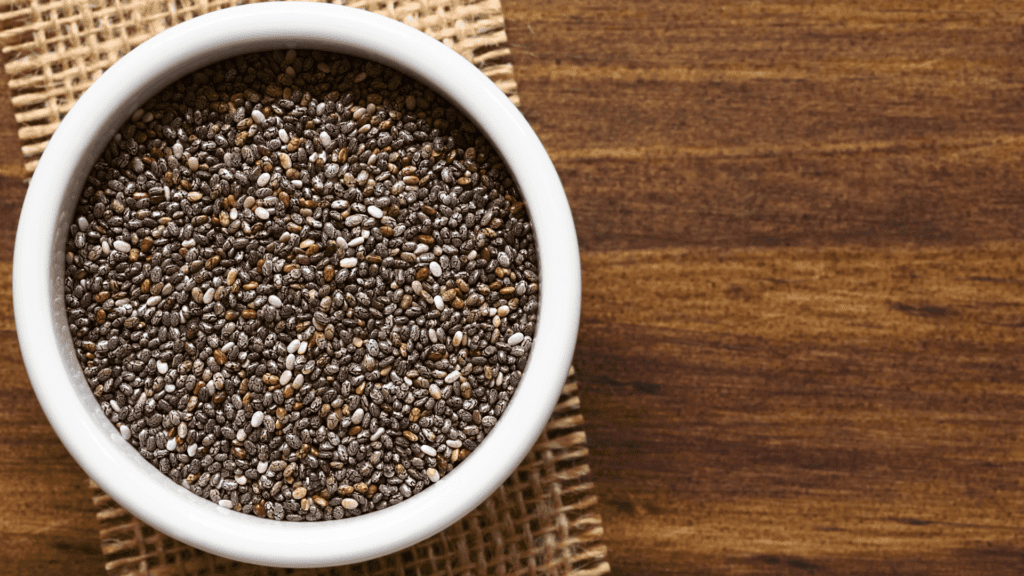
If you’ve never seen chia seeds in person, in dry form they look like small oval grains – almost like poppy seeds, but denser and shinier. When you pour water over them, they turn into a gel-like mass after 15-20 minutes, a bit like tapioca. This “gel” is often used in puddings and smoothies – and it looks very appetizing.
On the photos on the Internet you have probably seen brightly colored glasses with layers of chia, fruits and nuts. Such dishes are not just beautiful, but also delicious. This is a great way to interest children or guests in something unusual and useful.
Should I add chia to my daily diet?
Absolutely, yes. Chia seeds are one of those products that can be an inconspicuous but powerful ally in health care. They require no special preparation, they are suitable for almost everyone and at the same time saturate the body with important substances.
By adding just one or two spoonfuls a day, you are already taking a step towards a more balanced diet. And you may start to feel better – more alert, lighter, calmer. Now you know more about chia seeds: how to take and add to your daily diet. Perhaps these seeds will take a place of honor in your kitchen.





 Loading...